
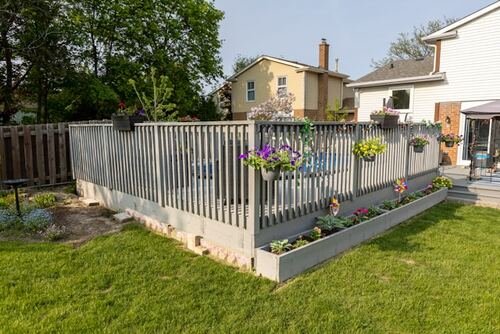
A major backyard renovation can completely change how you use your outdoor space. A new patio can create a place for entertaining, updated landscaping can improve curb appeal, and features such as a fire pit, outdoor kitchen, garden, or play area can make the yard more functional for the entire family.
However, larger backyard projects also involve more moving parts than many homeowners expect. Materials need to be delivered, old landscaping may need to be removed, equipment needs room to operate, and one project can quickly affect another.
Taking time to plan the entire renovation can help prevent delays, unnecessary expenses, and a backyard that feels like a construction site for months. Here are seven things to consider before getting started.
1. Decide How You Want to Use the Space
It is easy to start a backyard renovation by thinking about individual features. You might want a new deck, a larger patio, better landscaping, or an outdoor kitchen. Instead, start by thinking about how you want to use the backyard:
- Do you regularly entertain large groups?
- Do children or pets need open space?
- Are you looking for a quiet place to relax?
- Will you need storage for lawn equipment?
- Do you want to spend more time cooking and dining outside?
Once you understand the purpose of the space, you can determine which improvements deserve priority. This also helps prevent a common renovation mistake: adding attractive features that ultimately do not work well together. For example, a beautiful patio may not be particularly useful if it takes away the only open area where children can play.
2. Create a Realistic Budget With Room for Surprises
Outdoor renovations can involve expenses beyond the obvious cost of materials and labor. Your budget may need to account for demolition, grading, drainage improvements, permits, equipment rental, material delivery, debris removal, landscaping, electrical work, plumbing, and repairs to areas affected during construction.
It is also wise to leave some room in the budget for unexpected problems. Removing an old patio could reveal drainage issues. Digging for a new feature might expose poor soil conditions. Materials may cost more than anticipated, or a project may require additional site preparation.
Determine what you are comfortable spending before work begins, then separate the project into necessities and optional upgrades. If unexpected costs arise, you will know which features can be postponed without compromising the overall renovation.
3. Plan How Materials, Equipment, and Debris Will Move
Large projects can require lumber, pavers, gravel, soil, mulch, plants, fencing materials, tools, and equipment. At the same time, you may be removing old decking, shrubs, branches, fencing, concrete, or other debris.
Before construction begins, determine how those materials will get onto and off the property. Consider whether delivery trucks can access the site, where materials can be stored, and whether heavy equipment can reach the backyard without damaging existing landscaping.
Homeowners handling significant portions of the project themselves should also consider how materials and equipment will be transported. A pickup may work for smaller loads, while utility trailers can provide additional hauling capacity for landscaping equipment, tools, lumber, plants, and other supplies needed throughout a larger outdoor project. Planning transportation in advance can reduce unnecessary trips and prevent piles of materials from ending up wherever there happens to be room.
4. Address Drainage Before Adding New Features
Before installing permanent features, pay attention to how water currently moves through the property. Look for low spots, areas of standing water, eroded soil, overflowing downspouts, and places where water collects near the foundation. Changes to patios, walkways, retaining walls, and landscaping can alter existing drainage patterns.
In some cases, grading adjustments, extended downspouts, French drains, catch basins, or other drainage solutions may need to be completed before the visible renovation begins.
This is especially important when adding large areas of hardscaping. Unlike soil and planted areas, patios and walkways do not absorb much water. That runoff has to go somewhere. Solving drainage problems early is usually much easier than removing finished landscaping or hardscaping to correct them later.
5. Check Utilities, Property Lines, and Permit Requirements
Underground utility lines can affect where you place fences, trees, patios, lighting, irrigation systems, and other features. Homeowners should have applicable underground utilities marked before excavation begins. Property boundaries are another important consideration. Do not assume an existing fence or landscaping feature perfectly follows the legal property line.
Depending on your location and the scope of the renovation, permits or approvals may also be required for features such as decks, retaining walls, pools, electrical work, plumbing, accessory structures, or major grading changes. Homeowners who belong to a homeowners association should check those requirements as well. Resolving these details before construction starts can help avoid expensive changes later.
6. Complete the Project in the Right Order
Be sure to complete the work that requires the largest equipment and creates the most disruption first. For example, major demolition, tree removal, excavation, grading, drainage work, and utility installation should typically happen before new lawns, gardens, or delicate landscaping are installed. Otherwise, equipment may have to travel across newly finished areas to complete another portion of the project.
Think several steps ahead. If you eventually want an outdoor kitchen, it may make sense to install the necessary electrical, gas, or water connections while the patio area is already being excavated. Even if the kitchen itself is part of a later phase, preparing for it now could save considerable work in the future. A well-planned sequence also makes phased renovations easier because each completed project prepares the yard for the next one.
7. Have a Plan for Protecting the Rest of Your Property
Repeated foot traffic can damage grass. Heavy equipment can create ruts or compact soil. Materials placed directly on a driveway can leave stains or scratches. Dust and debris can spread into areas that are supposed to remain untouched.
Before work starts, identify the route workers and equipment will use to access the backyard. Decide where materials, tools, and debris will be staged, and determine which areas need temporary protection.
It may also be worth taking photographs of the property before contractors or equipment arrive. This provides a record of the condition of driveways, fences, lawns, and other existing features. Be sure to include cleanup in the project plan from the beginning. Removing debris throughout the renovation is much easier than allowing everything to accumulate until the final day.
Good Planning Makes the Finished Backyard Better
The most exciting part of a backyard renovation is seeing the finished space, but much of the work that determines whether the project succeeds happens before construction begins.
Think about how the backyard will be used, establish a realistic budget, solve drainage and access problems, determine how materials will be transported, and put each phase of the project in the correct order.
A little additional planning at the beginning can prevent expensive changes later and make the renovation process considerably easier. More importantly, it helps ensure that the finished backyard is not only attractive, but practical for the way you actually live.
 Alex
Alex